Pharmacokinetics, Circulation, Metabolic Rate, And Discharging Of Body-protective Substance 157, A Possible Medication For Treating Numerous Wounds, In Rats And Pet Dogs Direct relationships were observed between AUC0-- t and BPC157 dosages, in addition to between Cmax and BPC157 dosages (Figures 1D, E). The absolute bioavailability after IM administration of each dosage was 18.82%, 14.49%, and 19.35%, specifically. The previously mentioned results revealed that BPC157 reached its optimal swiftly in rats and was swiftly gotten rid of after reaching its top. BPC157 showed straight pharmacokinetic attributes in rats at the experimental dosage. These impacts have not gone unnoticed-- this plumber's name has acquired a lot of Lyophilized Powder traction in social media sites and obtained a lot of traction on social media.
Does BPC-157 help arthritis pain?
A peer-reviewed short article (Lee et al., Different Therapies in Wellness & & Medication, ~ 2021) describes: 12 people with chronic knee discomfort. Treated with intra-articular BPC-157, frequently combined with TB-500. 7 of 12 reported signs and symptom enhancement lasting several months.
The Results Of Bpc 157: A Regenerative Path Developed For High Up-and-comers And High Performers
Since we exercise evidence-based medicine that follows the readily available existing research, we have taken a look at what research study is offered for this substance that explains its mechanism of action and/or assesses its efficiency in the therapy of soft tissue injuries. Beyond GI applications, preclinical data supports BPC-157's function in bone and joint repair service (muscle, tendon, ligament, bone), neuroprotection (TBI, nerve crush injuries), and cardiovascular cells stabilization. Hepatoprotective impacts against alcohol, NSAID, paracetamol, and corticosteroid toxicity have actually been continually shown in rodent versions. Large-scale controlled human trials are still required to develop clear-cut scientific procedures.- Next, we examined the main metabolites of [3H] BPC157 in urine gathered from 0 to 8 h and from 8 to 72 h and in bile and feces accumulated from 0 to 72 h after administration.Grey-market BPC-157 is marketed without independent certificates of analysis, and the FDA has actually especially flagged contamination, mischaracterisation, and pollutant threat for compounded peptides as a course.Decision of metabolites was the most tough facet of this research study.Utilizing [3H] -labeled BPC157 and radioactivity assessment, we proved that the primary excretory paths of BPC157 entailed urine and bile.While both peptides are extensively marketed online, the high quality of proof differs, and much of the research study is still preclinical, animal-based, or early-stage.
Is Bpc 157 Right For You?
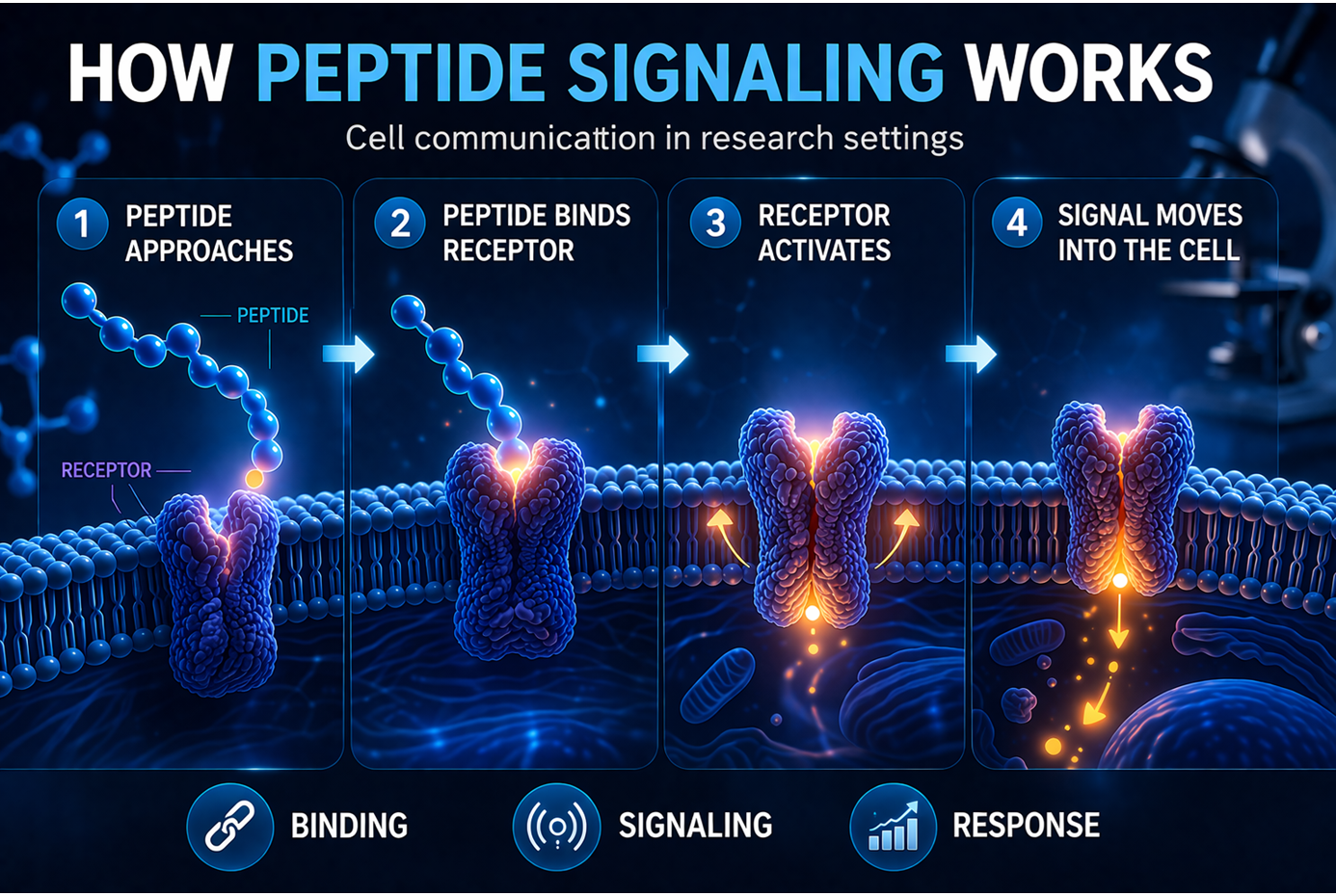
BPC 157 peptide therapy may sustain growth elements such as vascular endothelial growth aspect, assisting to promote muscle mass and tendon healing, accelerate healing from physical pressure, and enhance overall remediation and performance. Body-protective compound (BPC) 157 is a peptide separated from human stomach juice (Sikiric et al., 1993). BPC157 comprises 15 amino acids (Gly-Glu-Pro-Pro-Pro-Pro-Gly-Lys-Pro-Ala-Asp-Asp-Ala-Gly-Leu-Val) and has a molecular weight of Storage Conditions 1419 Da. Likewise known as BPC-15, PL-10, PLD-116, or PL14736 (Keremi et al., 2009), BPC157 has actually shown amazing capacity as a healing agent for severe trauma and stress damages and can promote the healing of wounds, tendon injuries, tendon injuries, and cracks. Besides its protective result against multiple organ injuries, BPC157 has actually also shown cytoprotective (Sikiric et al., 2018) and anti-inflammatory properties and contributes in maintaining epithelial integrity (Mota et al., 2018). Although the mechanism of action of BPC157 continues to be unclear, BPC157 has demonstrated significant impacts at very reduced dosages with great security (Sikiric et al., 2018). It is often talked about for its possible function in recuperation, intestine wellness, swelling, and cells assistance. Both are generally discussed in relation to cells repair, bone and joint healing, inflammation, and physical strength. Nonetheless, they are additionally surrounded by a great deal of online buzz, uncertain insurance claims, and self-directed usage. At Conscious Health and wellness, we believe peptide treatment must be come close to very carefully, clinically, and realistically. We usually integrate BPC-157 with various other types of regenerative medicine such as Shockwave Treatment or PRP (platelet-rich plasma) shots. Professional athletes are continuously looking for strategies to enhance tissue recuperation and lessen time away from sport. Providers ought to strengthen proven recuperation techniques and emphasize appropriate remainder. It is essential to highlight the distinction between promising rodent studies and medical significance in people. Conscious Wellness does not recommend buying peptides online or using products classified "for research usage just." These products may be polluted, mislabeled, inaccurately dosed, or risky for human usage. BPC-157 and TB-500 are often marketed for injury recovery, but patients must be cautious regarding cases that they can "heal" injuries. Discomfort, swelling, weak point, or lowered flexibility must be examined by a medical professional. Some peptide-based drugs are FDA-approved for details medical problems. However, that does not suggest every peptide marketed online has been reviewed by the FDA for safety, effectiveness, application, purity, or proper usage. Because case, we motivate you to contact our workplace to find out more concerning our extensive, medically supervised peptide treatment programs customized to your particular demands and objectives. A study published in the Journal of Mobile Physiology discovered that BPC-157 increased the healing of muscle injuries in rats by promoting the formation of new members vessels and lowering swelling. Additional study has actually demonstrated the effectiveness of BPC-157 in safeguarding versus and healing gastric ulcers in animal versions, highlighting its potential therapeutic applications in food poisonings. From very early findings on tendon healing, angiogenesis, and tissue regrowth to its increasing existence in performance, recovery, and wellness environments, this pentadecapeptide supplies a compelling glimpse right into the future of targeted recovery support. Although much of what we know comes from preclinical designs, the uniformity of observed outcomes-- improved architectural fixing, boosted vascular reaction, and durability across numerous tissue kinds-- paints an intriguing clinical photo.